People tend to concentrate on the stressful hours when an enjoyed one is sitting in prison and the bail bondsman is working the phones. What occurs on the back end seldom obtains the same focus. Yet the minute a court vindicates a bond is specifically when money, property, and trust fund return to where they began. That handoff can be smooth or painful, relying on documentation, timing, and how well everyone comprehends the procedure. I have sat across kitchen tables where family members kept duplicates of every invoice in a zipper bag, and I have actually seen others wait months since a single form was missing a line of initials. The regulations are not mystical, however they are specific.
This guide walks through exactly how security is returned after a bail bond is vindicated, what exoneration really implies, the timeline you need to expect, and the useful snags that can create hold-ups. Legislations vary by state and area, so treat this as a map, not a law. When the information matter, call your lawyer, the court clerk, or the bond representative directly.
What exoneration really means
A bond is pardoned when the court launches the bail commitment. The bond did its task: assuring the offender's look. Exoneration happens at several factors in a criminal case. One of the most typical minutes are at sentencing, when an instance is rejected, when charges are dropped, when the accused is acquitted, or when the court otherwise eliminates the bail need. In some territories, exoneration can likewise occur if a defendant is given up by the surety and taken into custody, though that circumstance makes complex costs and can modify exactly how security is handled.
Exoneration stops the threat the bond company has actually been lugging. Up until that minute, the guaranty could be on the hook for the full bond if the offender failed to appear. As soon as the judge says the magic words, the bond is no more accountable. That legal shift opens the return of security. It does not, nonetheless, remove earned premium, late costs, or costs the firm legitimately sustained under the agreement. Keep those differences clear. Security is safety and security held to cover threat. Costs is the cost you spend for the bond. Exoneration releases safety; it does not reimburse the cost of the service.
What counts as collateral in bail bonds
Collateral can be as basic as a charge card permission or as included as an action of count on securing a household home. Representatives select security based on the bond size, the defendant's danger account, creditworthiness, and the company's underwriting rules. Typical kinds consist of cash money, cashier's checks, money orders, automobiles, real property liens, assignments of checking account, fashion jewelry saved in a risk-free, and third-party warranties. The documentation matters. A money receipt is straightforward. A vehicle title needs a lien videotaped with the DMV. A residence needs a documented action of count on or home mortgage lien. The even more documents entailed, the longer the unwind later.
Most territories manage just how bail bond companies hold and represent security. Cash usually sits in a trust or escrow account different from operating funds. Concrete products get inventoried and stored. Realty liens are videotaped with the region, which suggests they should be formally launched with the exact same workplace when the bond is exonerated. Trustworthy firms document every one of this at consumption and give you copies. If you are missing that package, ask for it. It will be your roadmap when it is time to get your residential or commercial property back.

The sequence after exoneration
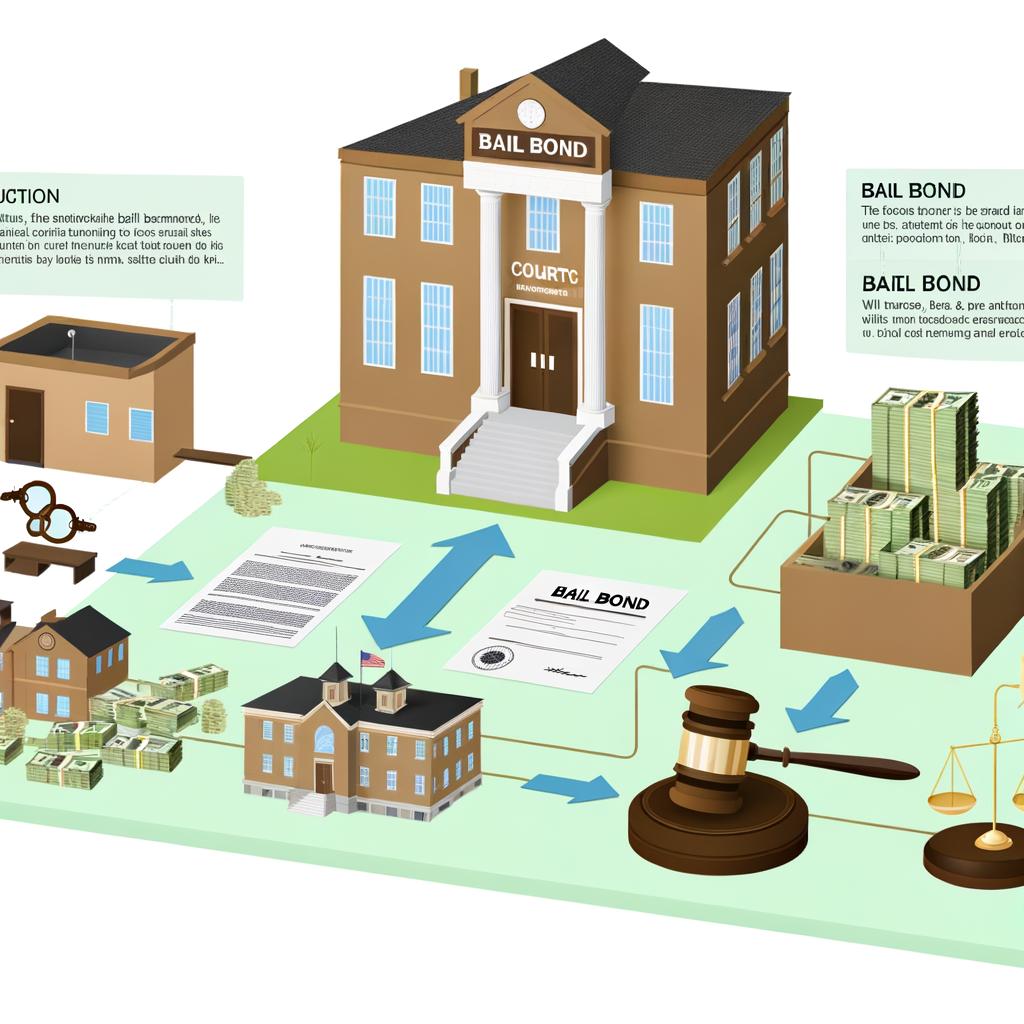
Think of the return procedure as a chain of verifications. Each link triggers the following activity, and the slowest web link normally sets the pace.
Court confirmation. The court gets in an order pardoning the bond. In lots of areas, the clerk produces a minute order the very same day. In others, it takes a couple of days for the order to be checked and uploaded. The staff's stamp or a qualified duplicate of the minute order is gold below. It is the key document the bond company and the guaranty carrier will rely on.
Agency verification. The bail bond business receives the exoneration proof. Some companies check court dockets and pull orders themselves. Others wait on you or your attorney to bring or email the documentation. The agency after that confirms the situation number, offender name, and bond quantity match their file.
Internal launch. The firm accredits the release of collateral. If cash money remains in a trust fund account, they prepare a check or arrange a digital refund. If a lien exists, they prepare the launch kinds. If the security is held by the guaranty firm rather than the neighborhood company, the agent sends out a launch request up the chain.
Customer control. You or the security owner authorize any essential launch types, present recognition, and verify the favored approach for getting funds or documents. For physical items, an in-person pickup might be called for per plan and insurance.
Recording and shipment. Genuine estate, automobile titles, and various other taped liens, the launch should be submitted with the exact same authority that received the initial lien. Counties differ on whether the agency files it or hands you a notarized launch to file. The lien stays till the release is videotaped and indexed, not simply signed.
When each celebration leans into their part, the cycle is quick. When one phase drags, everything waits. I have actually had situations where the bond was exonerated on a Friday mid-day and a cashier's check went out on Monday. I have likewise seen launches extend due to the fact that a clerk keyed a wrong digit in a situation number, which compelled a new certified copy prior to the surety would approve disbursement.
How long it takes in practice
Time frameworks rely on the sort of collateral and the territory's management rate. In a regular cash security circumstance, 7 to fourteen company days from exoneration is common. That permits the court order to upload, the company to validate, and a check to clear internal controls. Some agencies process much faster, specifically if they accept cable directions and have all files in order.
Physical things kept by the agency can be returned within a day or 2 of confirmation if a person can select them up. Mailing includes days and typically requires insurance coverage and trademark confirmation.
Vehicles and realty take longer since tape-recording workplaces present a second schedule. Expect 2 to six weeks for taped liens. The company has to prepare and swear the launch, then either file it or give it to you to file. County recorder workplaces can take anywhere from a few days to a month to index and show the lien as released. If a title is electronic, the DMV timeline additionally contributes. Plan for lag and do not schedule a sale of the residential or commercial property the week after exoneration unless you have integrated in the clearance time.
Surety-backed bonds in some cases add one more layer. Lots of retail bond firms write under a national surety company. In those situations, the neighborhood office might need the guaranty's back-office approval to launch security over a particular limit. That can add three to 10 business days, depending upon the service provider's work and whether the paperwork is clean.
When costs and charges intersect with collateral
The premium you pay to publish the bond is generally nonrefundable. People commonly conflate premium with collateral because both include cash. Keep them separate in your head. Premium is the cost of the bond. Security is security that ought to be returned after exoneration, offered there is no superior balance.
There are two common exceptions that influence security returns. The very first is when the offender falls short to appear and the court provides a forfeiture. If the accused is returned within the statutory home window and the court abandons the forfeiture, the bond can still be exonerated. Nonetheless, the agent might have sustained costs, like skip mapping, traveling, or a healing fee. Agreements often enable the representative to subtract such costs from collateral. The 2nd is when you owe installment premium settlements and went delinquent. An agency can use security to unsettled premium if the contract allows it, but just after the bond obligation is gotten rid of. Read the arrangement you signed at the beginning. If a reduction will be made, require a made a list of statement with receipts or invoices. Regulatory authorities in many states need those records.
What documentation you need to gather and keep
Over-preparation pays off right here. The more understandable, complete, and systematized your documents are, the less e-mails and callbacks you will require. At minimum, build a folder that consists of the initial bail bond arrangement, security receipt or escrow acknowledgment, any kind of motorcyclist or change, proof of repayment of premium, get in touch with info for the firm and the surety, the certified min order or court document showing exoneration, and recognition for the collateral owner. If real estate was utilized, add the tape-recorded action of trust or lien and the county recorder's instrument number. If a vehicle was promised, add the title, lien release type suitable to your state, and DMV recommendation numbers.
Courts and firms both react better to a bundle of every little thing in one place than to piecemeal requests. I have watched a solitary missing out on vehicle driver's permit copy stall a cash return for a week because the compliance police officer would not authorize off. It was not smallness, it was policy. Aid them check their boxes.
The agency's inner controls and why they matter
From the outside, this process can really feel governmental. From the within, regulates stop errors and fraudulence. Depend on accounts need to integrate everyday or regular. 2 trademarks might be called for to release funds over a set quantity. Identity must be verified to prevent releasing building to the incorrect person. Launches have to reference the specific situation number and bond total up to match the guaranty's journal. These steps lower threat for everyone, including you. If a dishonest worker can empty the collateral drawer with a call and a nod, the market would not function.
Because of those controls, agencies generally like to return money similarly it arrived. Cash security paid through cashier's check typically returns as a firm check or via the same bank. Cable returns go just to a validated account for the collateral proprietor. Stay clear of rushing these actions. I when collaborated with a client who changed financial institutions between uploading and exoneration and requested a cable to a brand-new account, with no paperwork. The company took three added days to confirm ownership. It was inconvenient, however it was also the appropriate call.
Edge instances that transform the calculus
Not every bond ends in a neat exoneration at sentencing. A few edge instances deserve detecting early.
If the accused is surrendered by the surety prior to instance resolution, the bond can be vindicated when the accused is remanded, however the surrender charges, transportation expenses, and any kind of unsettled premium can be deducted. Family members are often shocked to learn that a volunteer abandonment invoked by a co-signer can bring actual expenses. Agencies need to pay healing agents and court fees. Read surrender conditions carefully.
If a loss is gotten in and later left, the court may analyze prices versus the guaranty, such as administrative penalties or a portion payment. Some contracts pass a part of those expenses to the indemnitors. That can reduce the collateral returned, relying on local law and the arrangement's phrasing. Always request documents of any court-assessed costs.
If multiple bonds were posted throughout related instances, exoneration on one situation does not necessarily launch security held to safeguard the others. Good agencies different documents, but I have actually seen documents bundled. Clear up with the representative which bond each item of collateral secures.
If a defendant is rearrested on a new situation while out on the original bond, exoneration on the initial case might set off a reassessment. The agent may call for additional collateral for the 2nd case or may use the existing collateral to both, which complicates the launch later on. Maintain lines brilliant and documented.
If the security owner passes away, the launch has to go to the estate or the person lawfully qualified to the home. That needs probate records or small-estate affidavits. Build time right into your assumptions if any kind of proprietor's standing has actually changed.
Practical sequencing genuine home liens
Real property collateral creates the most concerns due to the fact that the stakes are greater and the documents is denser. Below is a sensible sequence I provide to clients so they can track https://telegra.ph/Just-how-to-Review-and-Recognize-a-Bond-Bond-Contract-10-19 development without guesswork.
- Ask the company for the precise name of the lien tool and its recording referral, after that request, in composing, a ready and notarized release that provides the very same grantor, legal description, and tool number. Confirm who will tape-record the launch. If the agency files it, ask for proof of entry and a copy as soon as taped. If you have to submit it, get the region's existing recording charge and format requirements to avoid rejection. After recording, check with the area's on-line index or see the recorder's office to confirm the launch has been imaged and linked to the initial lien. If you prepare to refinance or sell quickly, provide your title company both documents. Title policemans clear liens quicker when they see the launch currently recorded.
That short list has kept greater than one deal on track. It additionally reveals how delays sneak in. A launch signed but never ever tape-recorded is not a launch whatsoever in the eyes of a title examiner.

Communication that prevents friction
Most friction comes from mismatched assumptions. The family members anticipates money back in two days since the judge claimed "bond pardoned," the firm expects 2 weeks because their audit cycle runs on Fridays, and the guaranty takes a conventional view across states. Close the void with specific inquiries. Ask the agent whether they monitor court dockets or need you to supply the exoneration. Ask how the reimbursement will certainly be made, on what day of the week checks are reduced, and what records are still required. Ask for one factor of get in touch with in composing. Created timelines beat unclear assurances every time.
If something slips, intensify systematically. Beginning with the taking care of representative, after that their manager, then the guaranty's customer support team if needed. If you believe a company is incorrectly keeping collateral, your state's insurance or bail regulatory authority is the following quit. Maintain your tone tranquility and your papers clean. Regulators react to arranged problems with days, names, and copies.
How Bail Bonds agencies think about risk and reputation
Good bail bond firms reside on recommendations and performance history. Returning collateral swiftly is excellent business. The most effective firms integrate the return procedure to make sure that exonerated data set off alerts, not sticky notes. They understand that a household that obtains their cash back without a chase tells their close friends, and a household that has to call three times calls the state instead.
On the threat side, agencies take care not to release prematurely. In some cases a court vindicates a bond in the early morning however later on that day recalls the accused for a remand on a various count. Or a clerk submits the incorrect min order. Trusted representatives wait on official, verified documentation. They prefer to have an inflamed client for a day than a $50,000 direct exposure because they sent a wire on an incorrect entry. If you recognize that stabilizing act, the rhythm of their process makes sense.
Taxes, passion, and the myth of earning on your collateral
One of the consistent misconceptions is that bond firms gain interest on your cash security and maintain it. In many controlled markets, agencies must hold client funds in segregated accounts that do not commingle with operating funding. Any type of interest that accrues comes from the client, or the account is structured to prevent rate of interest altogether. The specifics depend on state rules and the financial institution's products. Do not anticipate a product interest repayment on brief holds. The quantities and time frames hardly ever produce more than a couple of dollars, and management policies frequently preclude interest-bearing accounts for collateral because of examine complexity. If passion is an issue, ask the agency at intake exactly how collateral is held and whether any kind of interest is credited.
As for taxes, returning your very own cash or residential property is not revenue. There is no taxed event in just getting collateral back. If property appreciates during the time it was overloaded and you market it later on, that is a separate tax conversation unrelated to the lien release.
When the offender owes the court
Separate court responsibilities can postpone security indirectly. If a situation ends with fines, restitution, or charges, the court may require payment at sentencing. Some courts hold a portion of published cash money bail for penalties. That is different from the bail bond procedure with a guaranty, where the court never holds your collateral straight. Yet it is common for households to merge both when both settlements schedule around the very same time. A bail bondsman can not and should not launch security based upon guarantees that court penalties will be paid. They respond only to exoneration of the bond and the status of the firm's very own account with you. Keep those lanes separate so nobody expects the impossible.
Realistic expectations and a simple plan
Even in the cleanest situations, the return of collateral is not instantaneous. You can reduce the waiting and worry by managing what you can.
- Before posting, ask the firm just how they return security, common timelines by security type, and what records they will require at the end. Get the answers in writing. Keep a single, dated documents with every receipt, agreement, and court notification. Add the exoneration order the day you receive it. Notify the agency of any kind of change in address, financial institution, or ownership of the security immediately, and be prepared to give proof. If a lien will be launched, schedule a follow-up with the recorder or DMV two weeks after submission to confirm indexing.
Those little actions minimize shocks. They also give you take advantage of if a deadline slides, because you can point to clear dedications and completed prerequisites.
A short anecdote regarding doing it right
A grandmother uploaded a $10,000 bond for her grand son with a $5,000 cash money security and a lien on her paid-off sedan. The case wrapped in three months with a termination. The household had maintained every file in a plastic sleeve, consisting of the initial lien notice and the firm's list of return requirements. On the day of exoneration, the general public defender handed them a qualified minute order at the court house. They checked it to the representative from their phone in the hallway. The agent validated it against the documents, requested internal authorization that mid-day, and set up a check for the next check operate on Thursday. The lien launch needed a DMV appointment, which they booked online for the following week. By the following Friday, cash remained in the grandmother's account, and the DMV had refined the title. Total time from exoneration to full release: nine company days. Nothing wonderful happened, just a limited loop and clear documents.
When to generate counsel
Most collateral returns do not call for a lawyer. If something feels off, an hour with advice can pay for itself. Situations that validate legal aid consist of a company refusing to return security without a legitimate factor after exoneration, a conflict over deductions that exceeds a percentage relative to the bond, a tape-recorded lien that will unclear due to a documents mistake the firm will certainly not deal with, or a multi-case tangle where collateral protects greater than one bond and top priorities require arranging. A brief demand letter referencing the exoneration and the agreement has a tendency to move persistent files.
Final thoughts grounded in practice
Exoneration is a legal occasion, yet the return of collateral is a management procedure. The legislation opens the door, after that people and documents walk through it. If you understand who holds the secrets and what they need, you shorten the range in between a court's order and your building back in your hands. Keep documents tight. Interact particularly. Regard the firm's controls while insisting on a clear timeline. With that said method, even a large lien can relax easily after a bond is exonerated, and you can put the whole episode in the rearview where it belongs.